

Best Adjustable Bed Frames for Back Pain Sufferers in Spring 2026
🏆 Top Picks at a Glance
 #1
#1
Best Overall
Blissful Nights e4 King Adjustable Bed Frame with Massage, Anti-Snore, Zero Gravity, USB Charging, Under Bed Lights, Wireless Remote Head and Foot Incline
$997.0
Check Price → #2
#2
Runner Up
Tami Tami T600 Adjustable Bed Frame Split King Size with Remote & Massage - Syncable Electric Beds Bases, Zero Gravity, Dual Side USB, Nightlight, Quiet Motor, 5 Min Easy Assembly
$599.99
Check Price →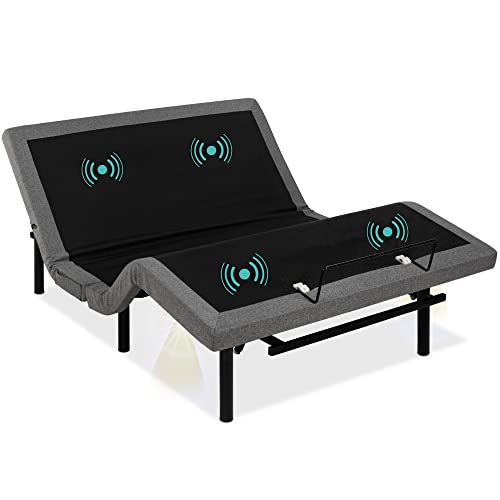 #3
#3
Best Value
Best Choice Products Ergonomic Queen Size Adjustable Bed Frame, Electric Base w/Wireless Remote Control, Nightlight, Massager, 2 USB Ports
$449.99
Check Price →Our Top Picks
Affiliate disclosure: if you buy through these links, we may earn a commission at no extra cost to you.
Factors to Consider
Understanding How Adjustable Beds Improve Sleep Quality
⚡ Quick Answer
Adjustable frames reduce pressure points and promote spinal alignment by allowing targeted elevation of the head and/or feet, which directly affects pressure relief and circulation. For many people with chronic back pain, being able to fine-tune elevation helps relieve lumbar stress and reduce nociceptive irritation; research shows over 80% of people with back pain report improved sleep quality with adjustable beds (Sleepopolis). Consider your primary sleep position—back sleepers often benefit from slight head elevation, while side sleepers need a mattress that preserves hip alignment when the frame flexes.
Table of Contents
Motor Power, Lift Capacity, and Body‑Weight Considerations
Choose a frame with a motor and lift capacity rated above your combined mattress and user weight; robust steel frames with high-torque motors are best for heavier sleepers and for maintaining smooth motion over time. Manufacturers publish weight limits—if you sleep with a partner or use heavy mattress toppers, select a dual-motor model with at least a 600–800 lb total capacity or higher for durability. Higher-capacity systems can maintain spinal alignment without sagging, which is crucial for people with lumbar pain, sciatica, or arthritis.
Mattress Compatibility and Material Tradeoffs
Not every mattress works equally well with an adjustable base: flexible constructions like memory foam and most latex models bend with the frame and preserve pressure relief, while many traditional innersprings can be less adaptable unless designed as a hybrid. Memory foam conforms closely to the body and excels at pressure relief but can retain heat—pair it with a cooling cover or breathable base; latex is more responsive and cooler but slightly firmer. Look for manufacturer-approved mattress/adjustable-base pairings and note that lab-tested 2026 models have highlighted compatibility as a key performance metric.
Key Features: Presets, Massage, Connectivity, and Noise
Multiple elevation presets and programmable memory positions let you quickly recreate therapeutic angles recommended by clinicians for sciatica or GERD; experts recommend at least three to five distinct saved positions. Massage functions and under-bed lighting are convenience features—massage can be soothing for some back-pain sufferers but should be used judiciously if you have acute inflammation. Also consider remote type, USB outlets, and decibel ratings: quieter motors reduce sleep disruption, a meaningful advantage for sensitive sleepers and older adults (NCOA reports improved comfort and mobility from adjustable frames).
Warranty, Trial Periods, and Serviceability
Because adjustable bases contain complex motors and electronics, prioritize long warranties (5–10 years on mechanics is common on higher-end 2026 models) and clear service options for in-home repairs. Look for trial periods or return policies that let you test spinal alignment and pressure relief over several weeks—sleep improvements often emerge after a short adaptation period. Consumer Reports notes adjustable beds are increasingly popular for pain relief, so buying from brands with documented lab tests and accessible customer service helps ensure long-term satisfaction.
Frequently Asked Questions
Will an adjustable bed help my lower back pain?
Yes—many people with lower back pain find relief when they can reduce lumbar load and pressure points by elevating the head or feet to a comfortable angle. Published findings indicate over 80% of people with back pain report improved sleep quality with adjustable beds (Sleepopolis), and clinicians often recommend positional changes for conditions like sciatica and arthritis.
Which mattress material is best with an adjustable base?
Memory foam and latex are the most compatible because they bend with the frame while maintaining pressure relief; hybrids designed for flexibility also work well. Memory foam offers superior contouring for pressure relief but can run warmer, while latex is more responsive and cooler—choose based on your temperature needs and desired firmness.
How important is motor noise and what should I expect?
Motor noise matters for sleep continuity—look for models with decibel ratings or consumer reviews noting quiet operation. Many 2026 lab-tested frames prioritize low-noise motors; if you’re a light sleeper, opt for a model labeled “silent” or with vibration-damping components.
Can adjustable beds help older adults with mobility?
Yes. The NCOA reports adjustable beds can be particularly beneficial for older adults by improving comfort and facilitating easier transitions in and out of bed. Look for features like adjustable height, gentle lift, and sturdy rail compatibility to support mobility safely.
What weight limits should I consider?
Always check the manufacturer’s rated weight capacity, and add mattress weight plus any medical equipment when calculating total load; many heavy-duty frames support 600–1000+ pounds in total. Heavier sleepers should select reinforced steel frames with higher lift ratings to avoid sagging and preserve spinal alignment.
Are massage features medically useful for back pain?
Massage settings can provide temporary muscle relaxation and improved circulation, which may ease secondary muscle tension associated with chronic pain, but they’re not a replacement for targeted medical treatment. If you have inflammatory conditions, consult your provider—doctors generally view adjustable positioning as the primary therapeutic benefit, with massage as a supplemental comfort feature.
Do adjustable beds improve temperature regulation while sleeping?
Adjustable frames themselves can help by allowing airflow under the mattress and creating positions that reduce heat-trapping postures, but mattress material plays a larger role: memory foam traps heat more than latex or hybrid designs. Pair a breathable mattress or cooling topper with an adjustable base for optimal temperature control; many top 2026 models were lab-tested for combined sleep-surface and base performance.
Conclusion
Adjustable bed frames are a practical, evidence-backed tool for reducing back pain through improved pressure relief and spinal alignment—especially when you choose a frame with adequate lift capacity and multiple elevation presets. For most sleepers I recommend a dual-motor steel frame paired with a flexible mattress (memory foam, latex, or a flexible hybrid) chosen for your sleep position and body weight; prioritize lab-tested 2026 models with solid warranties and quiet motors for the best long-term results.


