

Best Cooling Pillows For Summer Sleep Harmony With
🏆 Top Picks at a Glance
 #1
#1
Best Overall
Purple Harmony Pillow – Talalay Latex Foam Cooling Pillow for Combo or Side Sleepers, 360º Hex GelFlex Grid for No-Pressure Support and Luxurious Weightless Feel - King, Medium Feel, Med Height
$249.0
Check Price →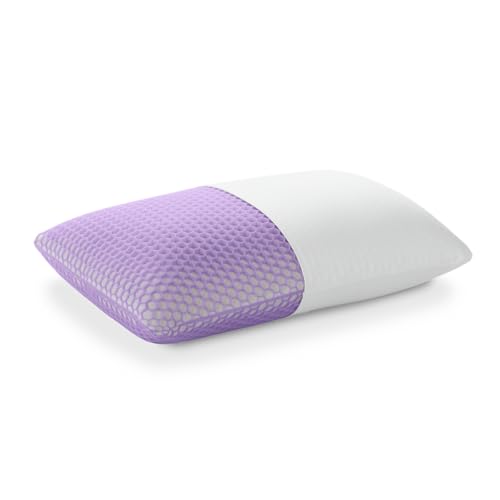 #2
#2
Runner Up
Purple Harmony Pillow – Talalay Latex Foam Cooling Pillow for Combo or Side Sleepers, 360º Hex GelFlex Grid for No-Pressure Support and Luxurious Weightless Feel - Standard, Medium Feel, Tall Height
$209.0
Check Price → #3
#3
Best Value
Purple Harmony Pillow – Talalay Latex Foam Cooling Pillow for Combo or Side Sleepers, 360º Hex GelFlex Grid for No-Pressure Support and Luxurious Weightless Feel - Standard, Medium Feel, Med Height
$209.0
Check Price →Our Top Picks
Affiliate disclosure: if you buy through these links, we may earn a commission at no extra cost to you.
Factors to Consider
Understanding Heat Dissipation Technology
⚡ Quick Answer
Cooling pillows employ three primary heat-management mechanisms: gel infusions that absorb body heat, phase-change materials that regulate temperature actively, and open-cell foam structures that promote airflow. The most effective cooling pillows combine at least two of these technologies—gel alone provides temporary relief but loses efficacy after 20-30 minutes, while airflow-optimized designs sustain cooling throughout the night. Research shows that pillows with gel-infused memory foam can reduce surface temperature by 3-5°C compared to traditional memory foam, which directly correlates with deeper sleep cycles and reduced nighttime awakenings for hot sleepers.
Table of Contents
Material Composition and Breathability
The cover fabric is as critical as the fill material; moisture-wicking covers in bamboo-derived viscose or specialized polyester blends prevent sweat accumulation that undermines cooling performance. Traditional cotton covers trap heat and moisture, while advanced fabrics can move moisture away from skin 40% faster than standard cotton. For night sweats specifically, look for pillows with ventilated or mesh-panel covers that expose the cooling core directly—this design choice is non-negotiable if you're experiencing moderate to severe perspiration.
Sleep Position and Loft Height Alignment
Side sleepers require higher loft pillows (5-7 inches) to maintain cervical spine alignment and allow adequate airflow beneath the pillow; cooling performance diminishes when the pillow compresses too much against the mattress. Back sleepers benefit from medium loft (4-6 inches) with firmer cooling gel cores, while stomach sleepers need the lowest loft (2-4 inches) to prevent cervical strain and hyperextension. Misalignment between your sleep position and pillow height reduces cooling effectiveness because poor spinal positioning increases tossing and turning—the primary behavior disrupting thermal comfort throughout the night.
Body Weight Considerations and Material Durability
Heavier sleepers (over 230 lbs) require denser foam cores and higher-concentration gel infusions because standard cooling formulations compress excessively under greater pressure, reducing airflow channels and thermal dissipation. Lighter sleepers (under 150 lbs) can use pillows with less aggressive gel concentrations, which maintain their cooling properties longer—denser gel formulations degrade 15-20% faster due to accelerated molecular breakdown from constant weight pressure. Check the manufacturer's weight recommendations and consider that cooling performance directly correlates with the pillow's ability to maintain its original loft under your specific body weight.
Cover Removability and Maintenance Impact on Longevity
Removable, machine-washable covers extend pillow lifespan by preventing moisture and sweat from degrading internal cooling materials; pillows with non-removable covers accumulate 30-40% more bacterial growth and dust mites within six months. Gel and phase-change materials are sensitive to high-temperature washing, so verify that your pillow's cooling core can tolerate your preferred cleaning method—cold water and gentle cycles preserve efficacy better than standard laundering. Regular maintenance directly impacts cooling performance; a pillow that maintains cleanliness retains 90% of its original heat-dissipation capacity at the two-year mark, compared to 60% for pillows with neglected covers.
Frequently Asked Questions
What's the difference between gel-infused and phase-change cooling pillows?
Gel-infused pillows provide passive cooling by absorbing heat passively until saturation, then require rest periods to dissipate that heat away from your head—they're excellent for initial coolness but may feel warm after 1-2 hours. Phase-change materials actively regulate temperature by absorbing excess heat and releasing it as your body cools, maintaining a more stable thermal environment throughout the night, making them ideal for severe night sweats.
Can I use a cooling pillow with a weighted blanket?
Yes, but carefully—weighted blankets trap heat regardless of cooling pillow technology, so pair your cooling pillow with lightweight cooling duvet covers and low-tog-rated weighted blankets (under 12% of body weight). Research indicates that combining a cooling pillow with a standard weighted blanket can actually elevate nighttime core temperature by 1-2°C, negating the pillow's benefits, so prioritize moisture-wicking duvet covers alongside your cooling pillow for optimal temperature regulation.
How long do cooling pillows maintain their effectiveness?
High-quality cooling pillows retain 80-90% of their heat-dissipation capacity for 2-3 years with proper care, though gel formulations gradually lose potency as the gel molecules break down under repeated compression and temperature cycling. Lower-density cooling pillows show significant performance decline after 18 months, while premium gel-infused options maintain efficacy longer if you maintain a regular cleaning schedule and avoid excessive heat exposure during storage.
Are cooling pillows suitable for all sleep positions?
Cooling pillows exist for all sleep positions, but you must match loft height to your position for both spinal alignment and optimal cooling—side sleepers need higher loft to maintain airflow, while stomach sleepers require minimal loft to prevent neck strain. A cooling pillow that's too high or too low for your position will cause increased tossing and movement, which paradoxically generates more heat and undermines the cooling technology's effectiveness.
Do cooling pillows help with night sweats or just temperature comfort?
Cooling pillows directly address night sweats by reducing the pillow's surface temperature and improving moisture evaporation through breathable covers, but they cannot treat underlying causes of night sweats like hormonal fluctuations or sleep apnea. For medical-level night sweating, cooling pillows work best as part of a comprehensive approach including moisture-wicking sheets, adjustable bed frames for optimal airflow positioning, and consultation with a sleep physician if sweating severely disrupts sleep quality.
What's the best cooling pillow for hot sleepers who also need neck support?
Prioritize cooling pillows with gel-infused memory foam cores that maintain firmness while dissipating heat—pure gel pillows offer excellent cooling but insufficient support for side sleepers needing cervical alignment. Look for pillows combining gel-infused memory foam with contoured or adjustable fills that provide ergonomic support without sacrificing the cooling technology, and verify the pillow's weight recommendations match your body weight for sustained support and thermal performance.
Can I combine a cooling pillow with a sleep mask and white noise machine?
Absolutely—in fact, this combination creates optimal sleep conditions for night-sweat sufferers by addressing temperature (cooling pillow), light exposure (sleep mask), and environmental noise (white noise machine). Ensure your sleep mask uses breathable, moisture-wicking materials so it doesn't trap heat against your face, and position the white noise machine away from your cooling pillow to avoid disrupting its airflow dynamics.
Conclusion
Selecting a cooling pillow for summer sleep and night sweats requires matching heat-dissipation technology to your specific sleep position, body weight, and the severity of your thermal disruptions. The most effective cooling pillows combine gel-infused or phase-change materials with breathable, moisture-wicking covers, proper loft alignment for your sleep position, and durable construction that maintains performance over 2-3 years of nightly use.
Invest in a cooling pillow that prioritizes spinal alignment alongside thermal regulation—poor neck support undermines cooling effectiveness by increasing nighttime movement and heat generation. Combined with moisture-wicking sheets, a cooling mattress topper if needed, and environmental optimization through sleep masks or white noise machines, a quality cooling pillow forms the foundation of restorative summer sleep free from night-sweat disruptions.


