

Best Mattresses for Side Sleepers with Back Pain in Spring 2026
🏆 Top Picks at a Glance
 #1
#1
Best Overall
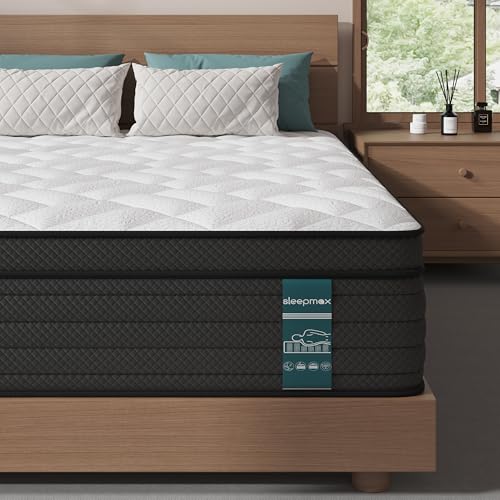
Sleepmax Queen Mattress 14 Inch - Luxury Deep Sleep Hybrid Mattress Pressure Relief - Cooling Bed in a Box for Back & Side Sleepers - 365-Night Trial, Forever Warranty, Fiberglass-Free
$499.99
Check Price →
#2
Runner Up
Sleepmax Extra Firm Queen Mattress 14 Inch - Deep Sleep Hybrid Mattress Pressure Relief - Cooling Bed in a Box for Back & Side Sleepers - 365-Night Trial, Forever Warranty, Fiberglass-Free
$499.99
Check Price → #3
#3
Best Value
Nectar Classic 12” Queen Mattress - Medium Firm - Contouring Memory Foam - Cooling Top Layer - Back Pain Relief - Mattress in a Box - 365-Night Trial & Forever Warranty
$649.0
Check Price →Our Top Picks
Affiliate disclosure: if you buy through these links, we may earn a commission at no extra cost to you.
Factors to Consider
Understanding Back Pain and Sleep Mechanics
⚡ Quick Answer
When side sleepers report back pain the key mechanisms to address are pressure relief at the hips and shoulders and maintaining neutral spinal alignment from neck to tailbone. Nearly 60% of side sleepers experience back pain, so choose a mattress that lets the shoulder sink slightly while supporting the lumbar curve to prevent torsion. Ask how the comfort layers and support core work together — a mattress that contours without bottoming out is essential for reducing nighttime micro‑awakenings and morning stiffness.
Table of Contents
Pressure Relief vs. Spinal Support: Finding the Balance
Pressure relief comes from compliant comfort layers that contour the shoulder and hip, while spinal support is delivered by a firmer transition layer and a supportive base. Memory foam often wins at contouring because it molds to the body's curves, easing peak pressure points, but hybrids and latex can provide a springier support that keeps the spine aligned for heavier sleepers. Prioritize mattresses that combine a soft top with a stable support core so you get both localized relief and overall alignment.
Firmness and Body Weight Considerations
Firmness recommendations change with body weight: lighter sleepers (<130 lb) usually need softer feels to get adequate sink, average-weight sleepers (130–230 lb) often benefit from medium to medium‑firm, and heavier sleepers (>230 lb) typically require firmer, sturdier cores to avoid excessive sink and maintain alignment. Sleep position suitability should guide firmness — side sleepers generally prefer medium to medium‑soft surfaces for contouring, but heavier side sleepers may need a medium‑firm hybrid to prevent lumbar sag. Try to test for 10–30 minutes in your typical sleep position and verify return policies for extended trials.
Material Choices: Memory Foam, Latex, and Hybrids
Memory foam contours and isolates motion well, which is why many side sleepers report symptom relief after switching — surveys show about 70% of people improved sleep quality after choosing a side‑sleeper mattress. Latex is more responsive and cooler, often preferred by those who sleep warm or want a more buoyant feel; the Saatva Zenhaven is an all‑latex option with a 10" height and premium price point. Hybrids combine foam or latex comfort layers with coil support to balance contouring and edge support — for example, the WinkBed is a 13.5" luxury firm hybrid that’s designed to handle heavier bodies while offering pressure relief at contact points.
Temperature Regulation and Construction Details
Heat management matters because trapped heat disrupts restorative sleep; look for breathable foams, perforated latex, coil cores, or surface covers with cooling fibers. Traditional memory foam can retain heat, but gel infusions and coil bases improve airflow; the Leesa Original is a 10" memory foam mattress that suits many side sleepers but may run warmer than latex or hybrid options. Also consider mattress height and edge support — taller mattresses like the 13.5" WinkBed provide extra zoning and deeper comfort layers, which can be helpful for larger side sleepers who need both contour and lift.
Frequently Asked Questions
What firmness should a side sleeper with back pain choose?
Most side sleepers with back pain do best on medium to medium‑soft mattresses that provide shoulder cushioning while supporting the hips; average‑weight side sleepers often find a medium feel ideal. Heavier side sleepers may need medium‑firm to firm hybrids to prevent the lumbar area from sinking too far and losing alignment.
Is memory foam better than latex for side sleepers with back pain?
Memory foam excels at pressure relief because it contours closely to shoulders and hips, which helps many side sleepers reduce pain; this is one reason memory foam is frequently recommended for side sleepers. Latex is more responsive and cooler, so if you sleep hot or prefer a less “stuck” feel, a latex mattress like the Saatva Zenhaven (10" all‑latex) may be a better fit.
Can a mattress topper fix side‑sleep back pain?
A topper can help short‑term by adding extra contouring or lift, but it’s often a compromise: a thick memory‑foam topper improves pressure relief but won’t correct an unsupportive core long term. If your mattress causes spinal misalignment, replacing the mattress is usually more effective for lasting pain relief.
How does body weight affect mattress selection?
Body weight changes how much you compress comfort layers — lighter sleepers need softer surfaces to achieve contouring, while heavier sleepers require firmer cores to prevent bottoming out and to maintain spinal alignment. Consider mattress height and construction: taller mattresses with zoned support (for example, hybrids like the 13.5" WinkBed) tend to perform better for heavier side sleepers.
Are hybrid mattresses better at temperature regulation than all‑foam beds?
Generally yes: hybrids use a coil support core that allows more airflow than solid foam, reducing heat retention, and often pair that with breathable comfort layers. If nighttime overheating is a concern, hybrids or latex models such as the Avocado Green (11" firm latex hybrid) are good choices over traditional memory foam.
How long does it take to know if a new mattress helps my back pain?
Give a mattress at least 30 nights — many brands offer 90‑ to 120‑night trials — because your body needs time to adapt to new spinal support and pressure distribution. Surveys show subjective sleep quality often improves after switching to a side‑sleeper mattress (about 70% reported improvement), but durable relief can take several weeks of consistent use.
Which of the popular mattresses listed are best for side sleepers with back pain?
It depends on weight and temperature needs: the Saatva Classic (available in luxury firm, ~ $1,880) and the WinkBed (13.5" luxury firm, ~ $1,800) are strong hybrid choices for heavier side sleepers seeking lift and zoned support. Lighter to average‑weight side sleepers often love memory foam options like the Leesa Original (10", ~ $1,060) for contouring, while latex models like the Avocado Green (11", ~ $1,890) and the Saatva Zenhaven (10", all‑latex, ~$3,200) deliver responsiveness and cooler sleep for those who prefer a springier surface.
Conclusion
For side sleepers with back pain, prioritize mattresses that combine localized pressure relief at the shoulders and hips with a supportive core that preserves neutral spinal alignment; consider body weight and sleep temperature when choosing materials. If you need contouring and motion isolation, a memory foam model like the Leesa Original often helps; for durability and cooling, hybrids (Saatva Classic or WinkBed) or latex (Zenhaven, Avocado) are excellent — choose the construction that matches your weight and thermal preferences for the best pain relief.


