

How To Choose The Right Cooling Mattress Toppers F
Gel-infused memory foam toppers excel at passive heat dissipation—they absorb and slowly release body heat without requiring electricity—making them ideal for hot sleepers who need consistent 2-3 degree temperature drops throughout the night. Water-based systems offer superior active cooling but require maintenance and a compatible adjustable bed frame; they're best for those prioritizing maximum temperature control and willing to invest in infrastructure. Graphite-enhanced foams represent a middle ground, providing moderate cooling boost with the comfort familiarity of traditional memory foam. Choose gel-infusion if you prioritize simplicity and passive comfort; choose water systems only if you have the setup and are a back or side sleeper needing precise spinal alignment support.
Table of Contents
Our Top Picks
Affiliate disclosure: if you buy through these links, we may earn a commission at no extra cost to you.

Factors to Consider
Gel-Infused vs. Water-Based Cooling Technologies
Topper Thickness and Pressure Relief Balance
A 2-3 inch topper provides optimal pressure relief for side sleepers and those weighing 200+ pounds, as this depth allows the material to compress adequately around shoulders and hips while maintaining spinal alignment. Thinner 1-1.5 inch toppers work better for back sleepers, stomach sleepers, and lighter individuals (under 150 lbs), as they prevent excessive sinking that disrupts neutral spine position. Thickness directly impacts how quickly the topper responds to body heat—thinner toppers cool faster but sacrifice contouring, while thicker toppers retain more pressure relief but may trap more warmth. Your body weight, sleep position, and existing mattress firmness should drive this decision; a soft mattress paired with a thick topper risks over-softening and poor spinal support.
Breathable Cover Materials and Moisture-Wicking Performance
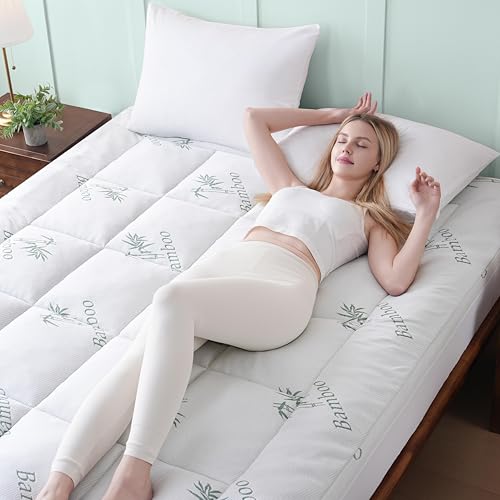
Bamboo-derived rayon covers outperform polyester by 15-20% in moisture absorption and evaporative cooling, making them scientifically superior for night sweats and hot sleepers. Jacquard-weave fabrics with open-cell structures enhance airflow, allowing body moisture to escape rather than accumulate on the sleep surface—this is crucial because trapped humidity reduces perceived cooling by up to 30%. Look for covers labeled as "antimicrobial" or "hypoallergenic" if you're prone to allergies, as cooling toppers' moisture retention can encourage dust mite proliferation. For combination sleepers who transition between positions, prioritize breathability over softness; ventilation is your primary defense against the "heat pocket" that forms when non-breathable covers trap warm, moist air between your body and the topper.
Density Ratings and Long-Term Temperature Stability
Memory foam density between 4-5.3 pounds per cubic foot provides the sweet spot for cooling durability—foams below 3 lbs/ft³ lose cooling effectiveness within 1-2 years as gel particles break down under nightly compression. Higher-density foams (5.5+ lbs/ft³) maintain their thermal properties longer but may feel firmer initially and require a 3-5 night adjustment period. Check product specifications for "cooling longevity" claims; reputable manufacturers test gel migration and provide 10+ year warranties on temperature performance. Heavier sleepers (250+ lbs) absolutely need 5+ lb/ft³ density to prevent premature cooling failure, as body weight accelerates gel particle degradation.
Compatibility with Your Existing Mattress and Sleep Position
Firm mattresses benefit most from 2-3 inch gel toppers, which add necessary pressure relief without compromising alignment; soft mattresses (those that sink >2 inches under your weight) should use thinner toppers to prevent instability. Side sleepers universally benefit from cooling toppers since they concentrate body weight into smaller contact areas (shoulders, hips), creating local heat pockets that non-cooling toppers amplify. Back sleepers should verify the topper won't reduce their mattress's spinal support—if your current mattress is already soft, skip the topper entirely or choose a 1-inch option. Stomach sleepers need caution: cooling toppers can encourage sinking, which flexes the lumbar spine into unhealthy extension; this group should prioritize thin, supportive cooling toppers or consider cooling sheets instead.
Frequently Asked Questions
Will a cooling topper work if my bedroom stays above 75°F?
Yes, but with diminished effectiveness—passive cooling systems work by transferring your body heat into the topper material, which requires at least a 5-10°F differential between your skin and the topper surface. In very hot rooms, pair your gel topper with breathable cooling sheets and a white noise machine set to a fan sound, which improves air circulation and perceived temperature drop by 2-3°F. For temperatures consistently above 78°F, consider a water-based cooling system or split adjustable bed frames that allow temperature customization per side.
Can I use a cooling topper on an adjustable bed frame?
Most gel and graphite-infused toppers work fine on adjustable frames, but water-based cooling toppers require specific compatibility—check your frame's weight capacity first. Movement on adjustable frames can cause non-secured toppers to shift; use the included straps or non-slip pads to anchor your topper firmly. Memory foam toppers actually perform better on adjustable bases since the frame's contoured support enhances pressure relief that the cooling foam provides.
How long does it take to feel the cooling effect?
Most sleepers notice a 2-4°F temperature reduction within 15-20 minutes of lying down, though the topper reaches maximum cooling capacity after 45-60 minutes of sustained contact. The cooling sensation feels most pronounced during the first 2-3 hours of sleep when body heat is highest; toward morning, as core temperature naturally drops, the cooling effect becomes less noticeable. If you don't feel cooling within the first hour, your topper may be incompatible with your mattress firmness or body weight—verify the topper isn't too thin for your pressure relief needs.
Is a cooling topper enough, or do I need cooling sheets too?
A quality gel topper addresses 60-70% of heat management needs, but adding cooling sheets (especially bamboo rayon) increases total cooling performance to 85-90% by managing humidity at the skin-fabric interface. Since research shows that moisture accumulation disrupts sleep quality more than temperature alone, combining a cooling topper with moisture-wicking sheets is the most effective strategy. If your budget allows only one upgrade, choose the topper first, then add cooling sheets or a cooling pillow in phase two.
Will a cooling topper help if I have night sweats?
Cooling toppers reduce night sweats triggered by ambient warmth but cannot address sweats caused by hormonal changes, medications, or sleep disorders—for those, consult a physician first. If your sweats are heat-related, pair a gel topper with a breathable, moisture-wicking cover and consider cooling pillows for your head, where most perspiration originates. A sleep tracker can help you monitor whether the topper actually reduces sweat events; if sweating persists after 2-3 weeks of consistent use, the cooling topper alone isn't solving your underlying issue.
How often should I replace a cooling mattress topper?
Quality gel-infused toppers maintain 80%+ of cooling performance for 7-10 years, though comfort layers may compress after 5-7 years depending on body weight and nightly use. Thinner toppers (under 2 inches) tend to degrade faster since gel particles distribute across less material, so budget for replacement every 5-6 years. Signs your topper needs replacement include reduced cooling sensation, visible sagging, or persistent odors—don't wait until comfort is fully lost, as this indicates internal material breakdown.
Are cooling toppers safe for kids and pets?
Most gel-infused toppers are non-toxic, but check the manufacturer's safety certifications (CertiPUR-US, OEKO-TEX) before using on children under 12 or allowing pets unrestricted access. Pets can puncture or chew toppers, releasing gel materials that may be harmful—consider using a protective topper cover or keeping the bed restricted to humans only. Water-based systems should always be kept away from children and pets due to leakage and electrical risks.
Conclusion
Choosing the right cooling mattress topper requires balancing your sleep position, body weight, existing mattress characteristics, and room temperature to maximize both cooling performance and spinal alignment. A gel-infused topper in the 2-3 inch range with a breathable bamboo cover represents the optimal starting point for most hot sleepers, delivering passive temperature control without requiring maintenance or electrical infrastructure.
Pair your topper with moisture-wicking sheets and monitor your sleep quality over 2-3 weeks to confirm the cooling effect genuinely improves your rest—true sleep harmony emerges when temperature, pressure relief, and alignment work together, not when any single element dominates.


