

Adjustable Bed Frames Vs Sleep Trackers
Choosing between an adjustable bed frame and a sleep tracker is not a comparison of like-for-like products; it is a choice between active intervention and passive observation. As a sleep science expert, I often see clients confused by the marketing hype surrounding both categories. One changes your physical environment to improve comfort and alignment, while the other provides data about your physiology. They serve fundamentally different purposes in the sleep ecosystem.
This guide is for individuals who are struggling with specific sleep issues—such as acid reflux, snoring, or back pain—and those who are generally healthy but want to optimize their recovery metrics. Understanding the distinction between fixing sleep mechanics versus measuring sleep outcomes is critical for making a wise investment in 2026.
Models in this comparison
Affiliate disclosure: if you buy through these links, we may earn a commission at no extra cost to you.



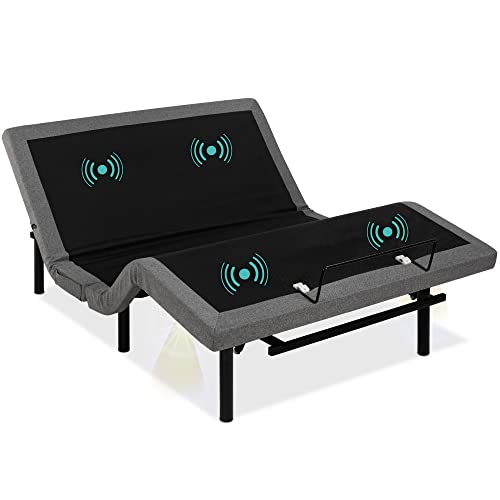
Table of Contents
- Models in this comparison
- Quick Verdict
- About Adjustable Bed Frames
- About Sleep Trackers
- Head-to-Head: Spinal Alignment and Pressure Relief
- Head-to-Head: Temperature Regulation and Airflow
- Head-to-Head: Reliability and Data Accuracy
- Who Should Choose Adjustable Bed Frames?
- Who Should Choose Sleep Trackers?
- Our Verdict
- Frequently Asked Questions
- Sources & References
Quick Verdict
Choose Adjustable Bed Frames if...
- You suffer from acid reflux, snoring, or sleep apnea symptoms that require head elevation.
- You experience chronic back pain, sciatica, or joint stiffness that benefits from pressure redistribution.
- You need assistance getting in and out of bed due to mobility issues or aging.
Choose Sleep Trackers if...
- You are generally comfortable in bed but want to monitor heart rate variability (HRV) and recovery.
- You suspect irregular heart rhythms or need to track blood pressure trends over time.
- You want to correlate lifestyle habits (caffeine, exercise) with sleep quality scores.
| Factor | Adjustable Bed Frames | Sleep Trackers |
|---|---|---|
| Primary Function | Physical Support & Positioning | Data Collection & Monitoring |
| Sleep Position Suitability | Excellent for Side, Back, and Zero-G | Neutral (Does not affect position) |
| Impact on Spinal Alignment | High (Active correction) | None (Passive observation) |
| Temperature Regulation | Can aid airflow via elevation | None |
| Setup Complexity | High (Assembly required) | Low (Wear and charge) |
| Long-Term Value | Structural durability and comfort | Data insights and health trends |
About Adjustable Bed Frames
Adjustable bed frames are structural components of the bed that allow the head and/or foot sections to rise independently. In the context of sleep science, these frames are not merely luxury items; they are therapeutic tools. By elevating the head, you reduce the likelihood of gastroesophageal reflux and open the airways, which is crucial for those with mild sleep apnea or snoring. Elevating the legs promotes venous return, reducing swelling in the lower extremities and alleviating pressure on the lumbar spine.
Recent industry standards have raised the bar for what constitutes a high-quality frame. According to Sleep Junkie, top-rated models in 2026 feature ultra-quiet motors and specialized presets such as "Zero Gravity," which distributes body weight evenly across the mattress. This position is medically recognized for reducing disc pressure and improving circulation. Furthermore, The National Council on Aging highlights these beds as essential for older adults, supporting "aging in place" by reducing the physical strain required to sit up or stand.
About Sleep Trackers
Sleep trackers are wearable or non-wearable devices that use sensors—such as photoplethysmography (PPG) and accelerometers—to estimate sleep stages and physiological metrics. They do not change the physical environment of your sleep; rather, they provide a feedback loop. By tracking heart rate variability (HRV), resting heart rate, and blood oxygen saturation, these devices offer insights into your autonomic nervous system's recovery state.
For the data-driven sleeper, these tools are invaluable for identifying trends. For instance, a spike in resting heart rate might indicate illness, stress, or overtraining before symptoms appear. However, it is vital to remember that these devices estimate rather than diagnose. They are best used for longitudinal trend analysis rather than acute medical diagnosis. The value lies in the correlation between your daily habits and your nightly recovery scores.
Head-to-Head: Spinal Alignment and Pressure Relief
When addressing musculoskeletal issues, the adjustable bed frame is the superior tool. Sleep science dictates that spinal alignment is determined by the support surface. An adjustable frame allows you to customize the angle of support. For side sleepers, elevating the head can prevent neck strain if paired with the right pillow, while for back sleepers, leg elevation reduces lordotic curve tension. The Amerisleep Adjustable Bed+, noted by Sleep Junkie as a top recommendation, exemplifies how mechanical adjustment directly impacts biomechanical comfort.
In contrast, sleep trackers have zero impact on spinal alignment. They are passive observers. Wearing a tracker will not alleviate back pain or neck stiffness. If your primary complaint is physical discomfort or pain upon waking, a tracker will only tell you that you moved a lot during the night, but it cannot fix the underlying cause. Therefore, for pain management, the bed frame is the active intervention, while the tracker is merely a diagnostic aid.
Head-to-Head: Temperature Regulation and Airflow
Temperature regulation is a critical component of sleep quality. While neither device actively cools you like a dedicated cooling mattress, adjustable beds can indirectly aid thermoregulation. By elevating the head and torso, you increase surface area exposure to ambient air, which can help dissipate heat more effectively than lying flat. Additionally, many adjustable bases are designed with open frameworks that allow for better airflow beneath the mattress compared to traditional box springs.
Sleep trackers, particularly wrist-based models, can sometimes interfere with temperature comfort. Some users report feeling warm due to the contact of the sensor against the skin, or the bulk of the device. However, newer "screenless" trackers, such as the Fitbit Google Air mentioned in product listings, are designed to be less intrusive. Still, they offer no active benefit to temperature regulation. If you are a hot sleeper, the mechanical advantages of an adjustable base for airflow are more tangible than the passive presence of a tracker.
Head-to-Head: Reliability and Data Accuracy
The reliability of an adjustable bed frame is measured in motor longevity and noise levels. High-end frames tested by organizations like Consumer Reports prioritize ultra-quiet motors to ensure that adjustments do not wake the sleeper. The mechanical nature of these devices means they have fewer software glitches than trackers, though they do require physical assembly and maintenance.
Sleep trackers rely on algorithmic interpretation of sensor data. While they are reliable for tracking trends, they are not medical-grade devices for single-night accuracy. For example, they may misinterpret a period of stillness as sleep or fail to detect apnea events accurately compared to polysomnography. Their "reliability" is best viewed as consistency in trend reporting rather than absolute diagnostic truth. You should trust them for long-term patterns, not for diagnosing a specific sleep disorder.
Who Should Choose Adjustable Bed Frames?
Choose an adjustable bed frame if your sleep issues are mechanical or physiological. This includes individuals with gastroesophageal reflux disease (GERD), chronic back pain, arthritis, or snoring. It is also the ideal choice for older adults who need assistance with mobility, as supported by the National Council on Aging. If you wake up with stiffness or pain, the ability to adjust your sleeping posture is the most direct way to improve comfort and spinal alignment.
Who Should Choose Sleep Trackers?
Choose a sleep tracker if you are generally comfortable but want to optimize performance or monitor health trends. This is for fitness enthusiasts, data-driven individuals, or those with a family history of heart conditions who want to monitor resting heart rate and HRV. If you are already sleeping well physically but want to understand how stress, diet, or exercise affects your recovery, a tracker provides the necessary feedback loop. It is an analytical tool, not a therapeutic one.
Our Verdict
For most individuals seeking to improve sleep quality through comfort and health outcomes, the Adjustable Bed Frame is the more impactful investment. It actively solves physical problems like pain, reflux, and airway obstruction, which are common barriers to restorative sleep. A tracker is a luxury add-on for those who already have a comfortable sleep environment and seek data insights. If you must choose one, start with the frame to fix the mechanics of sleep; add the tracker later to measure the results.
Frequently Asked Questions
Can a sleep tracker detect sleep apnea?
No, consumer sleep trackers cannot diagnose sleep apnea. While they may detect low oxygen saturation or heart rate fluctuations associated with apnea, they lack the sensitivity and channel diversity of a medical polysomnography study. If you suspect apnea, consult a sleep specialist.
Do adjustable beds require special mattresses?
Yes, you need a flexible mattress, such as memory foam, latex, or hybrid, that can bend with the frame. Traditional innerspring mattresses may not flex properly and can damage the frame or the mattress. Always check the manufacturer's compatibility guide.
Is it safe to wear a tracker to bed?
Generally, yes. However, some individuals experience skin irritation from the materials or sensors. It is recommended to wear the tracker on the non-dominant hand or use a screenless band if comfort is a concern. Ensure the device is charged and clean to maintain sensor accuracy.
Which is better for back pain: adjustable frame or tracker?
The adjustable bed frame is significantly better for back pain. It allows you to adjust the angle of your spine to reduce disc pressure and muscle tension. A tracker can only tell you if you are moving frequently due to pain, but it cannot alleviate the pain itself.


