

Best Cooling Weighted Blankets For Hot Sleepers Wi
🏆 Top Picks at a Glance
 #1
#1
Best Overall
Aricove Cooling Weighted Blanket for Adults, 15 lbs, Full/Queen Size Weighted Blanket, 60x80 inches, Silky Soft Bamboo Viscose, Machine Washable, White
$154.25
Check Price →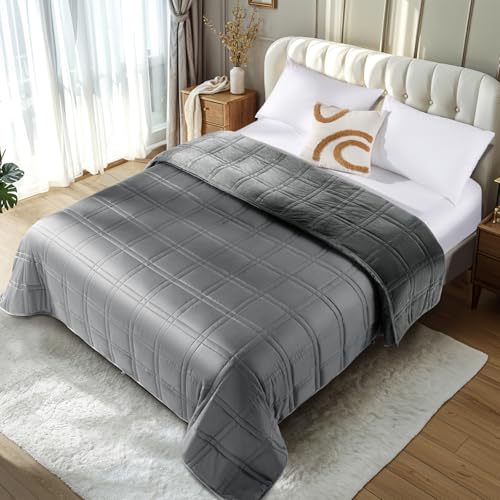 #2
#2
Runner Up
LBRO2M Cooling Weighted Blanket 20 lbs 88" X 87" with One Cooling Side, Flannel Heavy Blanket with Glass Beads, Soft Thick Comfort Blankets for Adults Bed Heavy Blanket, Gray
$119.99
Check Price → #3
#3
Best Value
ZonLi Cooling Weighted Blanket (60"x80", 20lbs, Grey) Queen Size Bamboo-Derived Rayon Weighted Blanket for Adults, High Breathability Heavy Blanket, Soft Material with Premium Glass Beads
$84.99
Check Price →Our Top Picks
Affiliate disclosure: if you buy through these links, we may earn a commission at no extra cost to you.
Factors to Consider
Weight Distribution and Spinal Alignment
⚡ Quick Answer
The ideal weighted blanket should distribute pressure evenly across your body without creating pressure points that disrupt sleep architecture—research shows proper weight distribution can reduce cortisol levels by up to 33% in anxious sleepers. For optimal spinal alignment, the blanket's weight should follow your body's natural contours, particularly supporting the lumbar region if you're a back sleeper. Most sleep scientists recommend choosing a blanket weighted between 7–12% of your body weight; lighter options suit side sleepers, while heavier blankets (10–12%) work better for stomach sleepers and those over 200 pounds who need more grounding sensation.
Table of Contents
Cooling Technology and Temperature Regulation
Look for blankets with moisture-wicking fabrics like bamboo viscose, Tencel, or specialized cooling gel-infused materials that actively pull heat away from your skin rather than simply reflecting it. Hot sleepers with anxiety benefit significantly from phase-change materials or breathable cotton blends that maintain a temperature 2–4 degrees cooler than the surrounding environment—critical for preventing the micro-awakenings that anxiety often triggers. Avoid heavy polyester or thick fleece inner materials, which trap body heat and can elevate core temperature by 1–2 degrees, counteracting the calming deep-pressure effects you're seeking.
Material Composition and Breathability
The outer cover and inner fill work together to determine both cooling performance and anxiety-relief effectiveness; a cooling outer cover paired with breathable filling (like glass beads or premium polyester) creates optimal thermoregulation for restless nights. Bamboo and Tencel covers dry faster than cotton after washing and naturally resist heat retention, while inner materials should allow airflow without compromising the weight distribution that triggers the parasympathetic response associated with anxiety relief. Consider whether the cover is removable and machine-washable—this matters because studies show anxiety-prone sleepers sleep better when their bedding stays fresh and hygienic, supporting consistent sleep routines.
Weight and Body Type Considerations
For individuals under 150 pounds, a 10–15 pound blanket typically provides optimal anxiety relief; those 150–200 pounds benefit from 15–20 pounds; and heavier sleepers (200+ pounds) may need 20–25 pounds to achieve the deep-pressure stimulation that activates the vagus nerve and lowers anxiety. Side sleepers need lighter, more flexible blankets that conform to shoulder and hip contours without restricting movement, while back and stomach sleepers can use heavier options. Remember that oversizing the blanket weight won't increase anxiety benefits—it only creates discomfort and heat retention, actually worsening sleep quality.
Anxiety-Specific Features and Durability
Weighted blankets designed for anxiety relief should have secure stitching in compartments (preventing glass bead or pellet shifting) and edges reinforced to withstand the repeated movement and repositioning that anxious sleepers often do throughout the night. Check durability ratings and customer reports of longevity; a quality cooling weighted blanket should maintain its anxiety-relieving deep-pressure properties for 3–5 years of nightly use without clumping or degradation. Blankets with removable, washable covers extend lifespan and hygiene—especially important since anxiety can correlate with sleep-related hygiene concerns and frequent blanket washing.
Frequently Asked Questions
Do weighted blankets actually help with anxiety, or is it just a placebo?
Weighted blankets trigger a physiological response called deep-pressure stimulation, which activates the parasympathetic nervous system and increases serotonin and melatonin production—this isn't placebo. Multiple peer-reviewed studies show that weighted blankets reduce cortisol levels and heart rate variability in anxious individuals, with one 2020 study finding 63% of anxiety patients experienced significant symptom relief after two weeks of use. The effect is most pronounced when the blanket weight is properly calibrated to your body weight and paired with cooling technology to prevent heat-induced sleep disruption.
Can a weighted blanket be too heavy for a hot sleeper?
Yes—oversizing the weight traps body heat and actually increases core temperature, which triggers micro-awakenings and anxiety rebound, negating the calming effects. The ideal weighted blanket for hot sleepers should be no more than 12% of body weight and paired with a cooling cover material like bamboo or Tencel; anything heavier will create discomfort regardless of cooling technology. If you find yourself sweating or kicking off a weighted blanket within an hour, it's too heavy, and downsizing one size will improve both sleep quality and anxiety relief.
Should I choose a weighted blanket or a cooling pillow for anxiety relief?
Both serve different functions: a weighted blanket provides full-body deep-pressure stimulation that lowers cortisol across 6–8 hours of sleep, while a cooling pillow only regulates head and neck temperature. For anxiety relief specifically, sleep science supports weighted blankets as the primary tool because anxiety-driven sleep disruption often involves whole-body tension and restlessness that requires broader pressure distribution. You can use both together—a cooling pillow complements a weighted blanket by preventing heat buildup in the head region, which often worsens nighttime anxiety spirals.
What's the difference between glass bead and polyester pellet weighted blankets?
Glass beads are denser, heavier per volume, and allow more air circulation through the fill, making them superior for cooling performance—they're ideal for hot sleepers and those over 200 pounds. Polyester pellets are lighter per volume, less breathable, and tend to trap more heat, though they're quieter and sometimes more affordable; they work better for cooler climates or very light sleepers. For hot sleepers with anxiety, glass bead construction is recommended because the improved airflow maintains the temperature stability needed to prevent anxiety-triggered awakenings.
How long does it take for a weighted blanket to help with anxiety?
Most users report noticeable anxiety reduction within 3–7 nights of consistent use, with peak effects emerging after 2–3 weeks as your nervous system adapts to the deep-pressure input. Some individuals with severe anxiety may require 4–6 weeks for optimal benefit, but if you haven't noticed improvement after three weeks, your blanket may be incorrectly weighted for your body type. Consistency matters—using the blanket sporadically won't activate the parasympathetic response, so nightly use is recommended for anxiety management.
Can I use a weighted blanket if I have a partner who's a different temperature preference?
Weighted blankets work best as individual bedding rather than shared covers because temperature preferences vary significantly between sleepers and a blanket sized for one person won't distribute weight evenly across two bodies. Consider purchasing separate weighted blankets tailored to each person's body weight and temperature needs, or use a weighted blanket as your personal layer with a standard duvet for your partner. If space is limited, high-end cooling weighted blankets with premium materials like Tencel can accommodate temperature-sensitive partnerships better than standard options, though individual blankets remain the sleep science recommendation.
Conclusion
Cooling weighted blankets represent a science-backed, non-pharmacological approach to managing both sleep quality and anxiety symptoms—particularly effective when you prioritize proper weight calibration (7–12% of body weight), cooling materials like bamboo or glass-bead fill, and spinal-supportive design for your specific sleep position.
For hot sleepers seeking Father's Day gifts or personal upgrades, investing in a quality cooling weighted blanket with a removable, machine-washable cover will deliver consistent anxiety relief and improved sleep architecture for years to come, outperforming budget alternatives that sacrifice breathability and durability.


