

How To Select The Perfect Pair Of Weighted Blanket
As a sleep scientist, I evaluate weighted blankets not merely as comfort items, but as tools for deep pressure stimulation (DPS) that can significantly lower cortisol levels and improve sleep architecture. The efficacy of this therapy hinges on achieving 10% of your body weight to ensure adequate proprioceptive input without causing respiratory restriction or thermal discomfort. When selecting a model, you must prioritize temperature regulation—critical for preventing night sweats—and spinal alignment, ensuring the glass bead distribution supports your natural curvature regardless of your sleeping position. This roundup analyzes three leading 20 lb and 15 lb options to help you identify the optimal balance of breathability, durability, and therapeutic weight for your specific physiological needs.
⚡ Quick Answer: Best How To Select The Perfect Pair Of Weighted Blanket
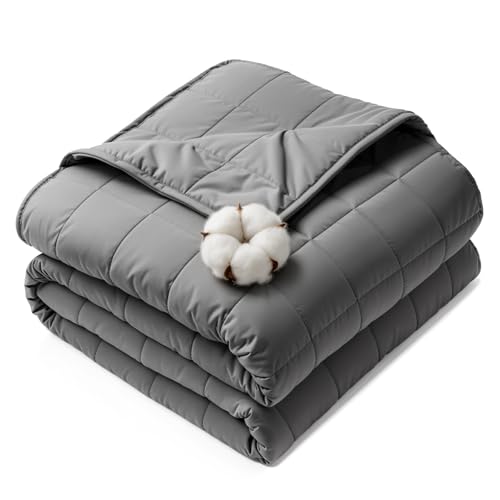
Best for Heavier Sleepers: yescool Weighted Blanket for Adults (20 lbs, 60” x 80”, Grey) Cooling Heavy Blanket for Sleeping Perfect for 190-210 lbs, Queen Size Breathable Blanket with Premium Glass Bead, Machine Washable
$43.99 — Check price on Amazon →
Table of Contents
Main Points
- Weight-to-Body Ratio Precision: Research suggests DPS is most effective at approximately 10% of body weight; ensure the 20 lb model suits those between 190-210 lbs, while the 15 lb option targets the 140-150 lb range to avoid excessive pressure that may disrupt sleep.
- Thermal Regulation via Glass Beads: Unlike plastic pellets, premium glass beads offer superior density with less fabric bulk, enhancing the blanket's breathability and preventing the "hot sleep" effect that often negates the calming benefits of weighted therapy.
- Spinal Alignment and Material Durability: Look for multi-layer stitching that prevents bead migration, ensuring consistent pressure distribution across the torso and limbs to maintain proper spinal alignment throughout the night.
- Sleep Position Compatibility: Side sleepers should opt for lighter weights (15 lb) to avoid shoulder compression, while back and stomach sleepers generally tolerate the deeper pressure of the 20 lb variant better for enhanced relaxation.
- Machine Washability for Hygiene: Choose models with removable, machine-washable covers to maintain a hygienic sleep environment, as weighted blankets are difficult to clean and prone to accumulating allergens that can disrupt sleep quality.
Our Top Picks
Affiliate disclosure: if you buy through these links, we may earn a commission at no extra cost to you.


Factors to Consider
Selecting the Optimal Weight-to-Body-Mass Ratio
Research consistently indicates that a weighted blanket should comprise approximately 10% of your body weight to effectively stimulate the parasympathetic nervous system. For individuals weighing under 130 pounds, a 10-pound blanket provides sufficient deep pressure stimulation (DPS), while those over 200 pounds may require a 20-25 pound option to feel the therapeutic effects. Exceeding this threshold can cause discomfort and restrict movement, potentially disrupting sleep architecture rather than enhancing it.
Evaluating Temperature Regulation and Material Breathability
Since increased core temperature is a primary cause of sleep fragmentation, the blanket's thermal properties are critical for maintaining restorative sleep. Look for covers made from bamboo viscose or percale cotton, which offer superior moisture-wicking capabilities compared to traditional polyester fills. If you are a hot sleeper, prioritize models with glass beads or open-weave designs that prevent heat trapping around the torso and extremities.
Assessing Spinal Alignment and Pressure Distribution
The internal construction of the blanket dictates how evenly pressure is distributed across your body, directly impacting spinal alignment. High-quality blankets use small, non-toxic glass beads encased in individual pockets to prevent clumping and ensure uniform weight distribution. This prevents the "heavy spot" sensation that can misalign the hips and lower back, particularly for side sleepers who need relief from shoulder pressure.
Matching Blanket Weight to Sleep Position
Your preferred sleep position significantly influences which weighted blanket will support your natural posture throughout the night. Back sleepers generally benefit from a standard weight that allows for easy limb movement, while stomach sleepers may find heavier weights restrictive and prone to causing chest compression. Side sleepers should opt for a slightly lighter weight to avoid excessive pressure on the shoulders and hips, ensuring blood flow remains unimpeded.
Considering Body Weight and Frame Size
Body mass index (BMI) and frame size determine whether a blanket will drape correctly or feel cumbersome. Individuals with a smaller frame may find a 15-pound blanket overwhelming, leading to tossing and turning as they attempt to escape the weight. Conversely, larger individuals might not feel the calming effects of a 10-pound blanket, necessitating a heavier option to achieve the desired proprioceptive input.
Frequently Asked Questions
How long should I use a weighted blanket before sleeping?
Most sleep experts recommend using a weighted blanket for at least 20-30 minutes before falling asleep to allow your nervous system to adjust to the deep pressure stimulation. This initial period helps lower cortisol levels and increase serotonin production, facilitating a smoother transition into deep sleep stages. Consistent nightly use over several weeks is often required to fully experience the cumulative benefits on sleep quality.
Are weighted blankets safe for children?
Weighted blankets are generally not recommended for children under the age of 5 due to the risk of suffocation and restricted breathing. For older children, the blanket should never exceed 10% of their body weight plus an additional 1-2 pounds for comfort. Always supervise initial use to ensure the child can easily move the blanket off their face if they feel restricted.
Can weighted blankets improve anxiety-related insomnia?
Yes, studies have shown that weighted blankets can significantly reduce anxiety symptoms by increasing melatonin and decreasing cortisol levels. The deep pressure stimulation mimics the feeling of being held, which activates the parasympathetic nervous system and promotes relaxation. This physiological response can help quiet racing thoughts, making it easier to fall asleep for those with anxiety-driven insomnia.
What is the difference between glass beads and plastic poly pellets?
Glass beads are denser and smaller than plastic poly pellets, allowing for a thinner, more breathable blanket design that reduces heat buildup. They also tend to be quieter and more durable over time, whereas plastic pellets can crack or shift more easily. For sleepers sensitive to noise or temperature, glass bead fillings offer a superior sleeping experience.
How do I clean a weighted blanket?
Most weighted blankets feature a removable, machine-washable cover, but the inner weighted insert often requires spot cleaning or gentle machine washing. Check the manufacturer's label carefully, as some glass bead blankets cannot be tumble-dried on high heat, which could damage the beads. Air drying is typically the safest method to preserve the blanket's weight distribution and fabric integrity.
Do weighted blankets work for all sleep positions?
While weighted blankets can benefit most sleep positions, side sleepers may find them less comfortable due to the pressure on shoulders and hips. Back and stomach sleepers often report better sleep quality, as the weight helps keep them aligned and prevents restlessness. If you are a side sleeper, consider a lighter weight or a blanket with a more flexible fill to minimize pressure points.
How does a weighted blanket affect REM sleep?
Research suggests that weighted blankets can increase the duration of REM sleep by promoting relaxation and reducing nighttime awakenings. The consistent deep pressure stimulation helps maintain sleep continuity, allowing the brain to spend more time in this critical restorative stage. Improved REM sleep is associated with better memory consolidation and emotional regulation the following day.
Conclusion
Selecting the right weighted blanket is a personal journey that balances weight, material, and sleep position to optimize your rest. Prioritize options with breathable covers and even weight distribution to ensure deep pressure stimulation enhances, rather than hinders, your sleep quality. By choosing a blanket that aligns with your body's needs, you can transform your nightly routine into a restorative experience.


