

Best Sleep Masks for Insomnia Relief in Spring 2026: A Comprehensive Buying Guide for Restful Sleep
Quality sleep is foundational to overall health, cognitive function, and emotional resilience. Inadequate or disrupted sleep often stems from sensory disturbances—light, noise, or inconsistent comfort—that keep the brain from slipping into restorative stages. Among sleep aids, sleep masks specifically target visual stimuli, creating a dark environment that signals the body it's time to rest. When carefully chosen, the right sleep mask can significantly reduce insomnia episodes and promote deeper, more restful sleep.
Our Top Picks
Affiliate disclosure: if you buy through these links, we may earn a commission at no extra cost to you.


This guide explores how sleep masks influence sleep quality, their interaction with different sleep positions and body weights, and offers an objective comparison of materials. Whether you're a side sleeper, a heavyweight individual, or someone sensitive to pressure points, understanding these nuances will help you select a sleep mask tailored to your needs for ultimate relaxation and uninterrupted rest.
Manta Pro Sleep Mask - 100% Light Blocking Sleep Mask for Side Sleepers, Breathable and Comfortable, Spacious & Zero Pressure for Long Lashes, Perfect for Sleep/Travel/Nap/Shift Work
$85.0Check Price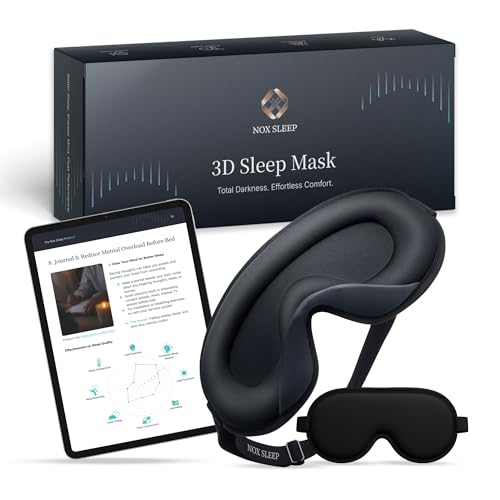
Table of Contents
Understanding How Sleep Masks Improve Sleep Quality
Sleep masks function primarily by blocking out ambient light, which can inhibit the production of melatonin—the hormone responsible for regulating sleep-wake cycles. Exposure to light, even at low levels, before and during sleep can delay sleep onset, reduce REM sleep, and fragment sleep architecture. By creating a pitch-black environment, sleep masks facilitate quicker sleep onset and longer periods of uninterrupted sleep, essential for circadian rhythm synchronization.
Beyond light blockage, high-quality sleep masks may also influence temperature regulation and comfort. Materials that wick moisture or insulate appropriately help maintain a consistent head temperature, crucial for falling asleep and staying asleep. For insomniacs, especially those whose sleep is frequently disturbed by environmental factors, a good sleep mask acts as both a sensory cushion and a signal to the brain that it’s time to rest.
Material Matters: What Makes a Good Sleep Mask?
The material composition of a sleep mask directly impacts comfort, pressure distribution, and sleep quality. Common materials include silk, cotton, memory foam, and specialized hybrids.
Silk: Known for its smoothness and hypoallergenic properties, silk sleep masks reduce facial friction, beneficial for sensitive skin. Silk is lightweight and breathable, aiding temperature regulation, making it suitable for warmer climates or hot sleepers.
Cotton: Soft and breathable, cotton masks are often more affordable. However, they may not provide as much light-blocking if not lined adequately. Cotton allows good airflow, which can prevent overheating during sleep.
Memory Foam: While not typical in traditional sleep masks, some masks incorporate memory foam padding to provide a gentle pressure that can promote relaxation. Be cautious: if pressure points develop, especially around the eyes or nose, it could cause discomfort or disrupt sleep.
Hybrid and Specialized Materials: Some masks combine silk with foam or include cooling gels to enhance temperature regulation. Objective selection depends on personal comfort and how well the material supports your sleep position and pressure points.
Pressure Relief and Spinal Alignment Considerations
While sleep masks primarily influence sensory input, their design and materials can impact pressure points around the eyes, forehead, or nose. A mask that exerts excessive pressure may lead to discomfort, particularly in side sleepers or individuals with larger head circumferences. Conversely, a mask that is too loose might shift during the night, compromising light-blocking benefits.
In terms of spinal alignment, sleep masks are generally a non-intrusive accessory. However, some masks with thicker padding or bulky designs can interfere with head movement or cause neck strain if they shift excessively. Choosing a lightweight, ergonomically designed mask helps maintain natural head and neck alignment, especially when used in combination with adjustable bed frames or pillows that support spinal health.
Practical tip: Look for masks with contoured designs that fit snugly around the nose and eyes without creasing or exerting pressure. Adjustable straps can also ensure a customized fit, reducing pressure points and preventing slippage.
Choosing the Right Sleep Mask for Your Sleep Position and Body Weight
Side sleepers often require masks that are softer and more flexible, minimizing pressure on the cheeks and temples. In contrast, back sleepers may tolerate slightly firmer masks with more coverage, providing a secure fit without discomfort.
Body weight can influence mask choice as well. Heavier individuals may benefit from masks with adjustable straps and firmer materials that resist shifting and provide consistent light-blocking. Lightweight, silky masks might feel inadequate if they slip or exert uneven pressure under heavier head weights.
Practical tip: Measure your head circumference and consider masks with adjustable straps to ensure a secure fit. For side sleepers or heavier individuals, look for masks with contoured designs that prevent compression on sensitive areas and distribute pressure evenly.
Integrating Sleep Masks with Other Sleep Aids
Sleep masks are most effective when combined with other sleep-enhancing products, such as blackout curtains, white noise machines, or temperature-regulating bedding. For insomniacs, creating a sleep-friendly environment reduces multiple sensory disruptions simultaneously.
For example, pairing a comfortable sleep mask with a cooling pillow or mattress topper can optimize body temperature, especially if night sweats or overheating are issues. Similarly, using a white noise machine alongside a sleep mask can diminish external disruptions, allowing for quicker sleep onset and deeper REM cycles.
Practical tip: Select sleep masks with features that complement your existing sleep aids, such as adjustable fits for compatibility with earplugs or headbands. Consider modular designs that can be layered with other comfort accessories for personalized serenity.
Frequently Asked Questions
How do I choose the best sleep mask for my skin sensitivity?
Opt for hypoallergenic materials like silk or eucalyptus-based fabrics. Avoid synthetic dyes or rough textures that can cause irritation. Always check for labels indicating hypoallergenic and chemical-free products.
Can a sleep mask help with early morning migraines or light sensitivity?
Yes, by blocking out distracting light, a sleep mask can reduce visual stimuli that trigger migraines or light-sensitive headaches, especially when combined with other migraine management strategies.
Is a heavier sleep mask better for insomniacs?
Not necessarily. While some find the gentle pressure of a weighted mask soothing, excessively heavy masks can cause discomfort or hinder movement. Choose a mask based on comfort rather than weight alone.
How often should I replace my sleep mask?
Most masks last 6 to 12 months with regular washing and care. Replace if you notice fraying, loss of elasticity, or any deterioration in material integrity that affects fit or safety.
Are there specific features to look for if I wear glasses or have facial hair?
Look for masks with a contoured nose area that accommodates glasses or facial hair without creating gaps or pressure points. Masks made from very soft, flexible materials are preferable in these cases.
In summary, selecting the right sleep mask requires considering material comfort, fit, pressure distribution, and synergy with your sleep environment. As a sleep science expert, I recommend testing different options and paying attention to how your body responds—especially in relation to your typical sleep position and body weight—to find the perfect mask for restoring your restful nights.
Next step: Review your current sleep environment, identify any sensory disruptions, and select a sleep mask tailored to your preferences and physical considerations. Rest assured, a well-chosen sleep mask is a simple yet powerful tool to enhance sleep quality and fight insomnia effectively.
Frequently Asked Questions
How do I choose the right sleep mask for insomnia relief in spring 2026?
When choosing a sleep mask, prioritize breathable materials like silk or bamboo to prevent overheating during warmer spring nights. Look for adjustable headbands that ensure a snug fit without pressing against your temples, which can exacerbate tension headaches common with insomnia.
What is the best material for a sleep mask if I have sensitive skin?
Silk or satin masks are often the best choice for sensitive skin because they reduce friction and moisture buildup compared to synthetic fabrics. These materials also help regulate temperature, ensuring you stay cool while maintaining comfort throughout the night.
Is it worth investing in a weighted sleep mask for better rest?
Weighted sleep masks can be beneficial if you struggle with anxiety or need deep pressure stimulation to fall asleep faster. However, ensure the weight is distributed evenly and does not feel heavy enough to cause facial strain or disrupt your breathing.
How do I choose a sleep mask that blocks light without causing eye strain?
Select masks with opaque, multi-layered fabrics that block 100% of ambient light without requiring excessive pressure around the eyes. Avoid masks with rigid plastic lenses or thick foam that might press against your skin and cause discomfort when you move during sleep.
What is the best way to clean a reusable sleep mask for hygiene?
Hand wash reusable masks in cold water with a mild detergent, then air dry them completely before reuse to prevent mold growth. Avoid machine drying, as high heat can damage delicate fabrics like silk or memory foam padding.
How do I choose a sleep mask that works well with glasses?
Look for masks designed with a wide headband and soft, non-abrasive inner lining to prevent slipping over your glasses frames. Ensure the mask is large enough to cover the bridge of your nose without pressing directly on the temples where your glasses rest.
Is it worth buying a sleep mask with a built-in white noise feature?
Sleep masks with integrated white noise features are worth considering if you live in noisy environments, as they combine light blocking with sound masking. However, check battery life and volume controls to ensure the device does not become too loud or drain quickly during the night.


