

Best Sleep Masks for Insomnia Sufferers with Sensitivity to Light in Spring 2026
🏆 Top Picks at a Glance
 #1
#1
Best Overall
Sleep Headphones, Bluetooth 5.0 Wireless 3D Eye Mask, Lightimetunnel Washable Sleeping Headphones for Side Sleepers With Adjustable Ultra Thin Stereo Speakers Microphone Hands Free for Insomnia Travel
$22.99
Check Price → #2
#2
Runner Up
LC-dolida Sleep Headphones, 3D Sleep Mask Bluetooth Wireless Music Eye Mask, Sleeping Headphones for Side Sleepers Sleep Mask with Bluetooth Headphones Ultra-Thin Stereo Speakers Perfect for Sleeping
$25.99
Check Price →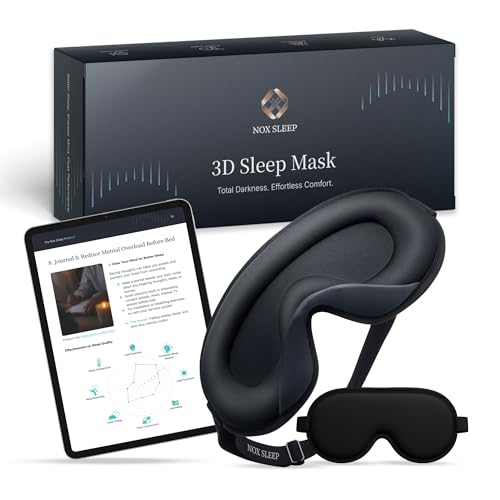 #3
#3
Best Value
Nox Sleep 3D Sleep Mask for Men, 100% Blackout Eye Mask for Sleep, Ice Silk Adjustable Sleeping Mask for Side Sleepers, Soft Breathable Blindfold, Perfect Sleep Mask for Travel & Women (Black)
$21.99
Check Price →Our Top Picks
Affiliate disclosure: if you buy through these links, we may earn a commission at no extra cost to you.
Factors to Consider
Benefits of Using Sleep Masks for Insomnia
⚡ Quick Answer
Blocking ambient light is one of the most direct ways to improve sleep quality: according to the Sleep Foundation, sleep masks are effective at blocking light and creating a darker sleep environment that supports melatonin production. For people with insomnia and light sensitivity, a consistent dark cue can shorten sleep onset and stabilize sleep architecture. Consider how your preferred sleep position (back, side, stomach) affects mask bulk and whether a contoured shape is needed; body weight doesn't change the light-blocking benefit but may influence which strap tension and mask size feel comfortable against facial contours.
Table of Contents
How Weighted Sleep Masks Work
Weighted masks use small plastic or glass beads to distribute gentle pressure across the face, creating a calming, proprioceptive stimulus that can become an automatic cue for falling asleep. Studies and expert commentary — including Dr. Jade Wu, PhD, DBSM — note that this gentle pressure can reduce anxiety for some users, and research (Women's Health) links that anxiety reduction to improved sleep. If you sleep on your side, pick a low-profile weighted design to avoid bulk against the pillow, and choose a mask weight that feels soothing for your facial structure rather than one-size-fits-all—people with larger facial surfaces may need slightly different weight distribution for comfort.
Choosing the Right Material for Your Sleep Mask
Material dictates temperature regulation, skin comfort, and pressure feel: silk and mulberry blends are smooth and reduce friction, cotton and advanced performance fabrics increase breathability, and some masks include cooling inserts for warm sleepers. Because darkness supports melatonin secretion, prioritize a material and lining that both blocks light and manages heat so you don’t wake from overheating. Side sleepers should favor slim, soft-edge materials to prevent mask edge pressure; body weight and metabolic rate affect heat production, so heavier or warmer sleepers often benefit most from highly breathable shells.
Fit, Weight and Closure Systems
A secure but gentle fit prevents light leakage and minimizes shifting during the night; look for adjustable straps, low-profile buckles, and masks with even bead distribution so pressure is consistent across the face. Some users prefer contoured masks that avoid putting direct pressure on the eyelids, while others welcome that sensation—Dr. Jade Wu highlights this variability in comfort preferences. Check whether the mask design suits your sleep position (contoured and thin profiles for side sleepers), and consider your personal facial size and weight distribution when selecting mask weight and strap tightness.
Temperature Regulation, Care and Durability
Heat buildup under a mask can disrupt sleep, so choose fabrics with moisture-wicking or cooling properties if you run warm; many spring 2026 models pair breathable shells with removable cooling inserts for seasonal versatility. Follow manufacturer care instructions for longevity—masks with removable bead pouches or machine-washable shells typically maintain performance longer. For side sleepers, washable, low-bulk fabrics prevent fabric stiffening that can cause pressure points, and body weight doesn’t alter care needs though heavier sleepers who sleep warm should prioritize temperature-managing materials.
Frequently Asked Questions
Will a weighted sleep mask actually help with my insomnia?
Weighted sleep masks can help some people by providing a gentle, calming pressure that becomes associated with falling asleep; studies and experts note reduced anxiety and improved sleep for certain users (Women's Health, Dr. Jade Wu). They are most effective when paired with a dark, consistent sleep environment (Sleep Foundation). Consider your sleep position—choose a low-profile weighted mask if you’re a side sleeper—and select a weight that feels soothing relative to your facial size and sensitivity.
How do sleep masks affect melatonin production?
By blocking ambient light, sleep masks help create the darkness that supports melatonin secretion; the Sleep Foundation reports that dark sleeping environments can increase melatonin production and improve sleep quality. A well-fitting mask that prevents light leakage is particularly helpful for shift workers or light-sensitive insomniacs. Be mindful of materials and ventilation so darkness doesn’t come with uncomfortable heat that could interrupt sleep.
What material should I choose if I sleep hot?
If you sleep hot, prioritize breathable cotton blends, moisture-wicking performance fabrics, or masks with removable cooling inserts to improve temperature regulation. Silk feels cool initially but can trap heat in some designs, so check for ventilated construction or cooling panels. Side sleepers should look for thin, breathable shells to avoid edge heat buildup, and heavier sleepers who generate more body heat will especially benefit from high-breathability fabrics.
Are weighted masks safe for my eyes and face?
Most weighted masks are safe for healthy adults when the weight is gentle and evenly distributed; the beads (plastic or glass) are enclosed to avoid point pressure and many masks are contoured to prevent direct eyelid compression. If you have eye conditions, recent eye surgery, or facial nerve issues, consult your clinician before using a weighted mask. Choose a design that suits your sleep position—contoured masks are typically safer and more comfortable for side sleepers—and adjust strap tension according to your facial structure and comfort.
How heavy should a weighted sleep mask be?
There’s no universal weight because comfort depends on facial size, sensitivity, and personal preference; the goal is gentle, even pressure rather than force. Start with a lighter model to test how your nervous system responds, and move up if you want more pronounced pressure—experts recommend tuning weight to comfort rather than body weight alone. Side sleepers should prioritize thin profiles over added ounces to avoid pillow interference.
Do side sleepers need a special sleep mask?
Yes—side sleepers often need low-profile, contoured masks with soft, tapered edges to avoid pressure against the pillow and to prevent shifting during the night. Some weighted masks are specifically sewn to be slimmer on the sides and to keep bead distribution even without bulk. Consider strap placement and adjustability as well, since body weight and shoulder width can change how a mask sits when you turn your head.
How should I care for a weighted or silk sleep mask?
Follow the manufacturer’s care instructions: many masks have removable bead pouches so the shell can be washed without compromising the filling, and silk shells often require gentle hand-washing or a delicate cycle. Regular cleaning preserves fabric breathability and light-blocking performance, which helps maintain the mask’s sleep benefits described by the Sleep Foundation. For side sleepers, keep cleaning frequent enough to avoid stiffness along the edges that could create pressure points.
Conclusion
For light-sensitive insomnia sufferers in spring 2026, a low-profile weighted sleep mask with breathable materials combines the melatonin-supporting benefits of darkness with the anxiety-reducing cue of gentle pressure. Choose a contoured silk or performance-fabric shell if you sleep on your side, and select a mask weight and strap fit tuned to your facial size and comfort—this tailored approach will most reliably improve sleep quality.


