

How to Choose the Right Sleep Masks
Start with how the mask affects sleep quality: a weighted mask can provide gentle, calming pressure that many sleepers learn to associate with the onset of sleep, helping reduce nighttime anxiety and speed the transition to sleep—an effect noted by Dr. Jade Wu and covered in outlets like Women's Health. Research and reviews (Wirecutter, Sleep Foundation) also find that blocking light and adding gentle pressure can improve sleep duration and quality for people sensitive to light. When considering a weighted mask, think about your usual sleep position and whether you prefer direct eye pressure or a lighter wrap; some people find eye pressure soothing while others need a contoured design to avoid discomfort. Body weight and face size matter too—choose a mask whose total weight and bead distribution feels proportionate to your facial structure to avoid excessive pressure that could disturb sleep.
Table of Contents
Our Top Picks
Affiliate disclosure: if you buy through these links, we may earn a commission at no extra cost to you.


Factors to Consider
Understanding the benefits of weighted sleep masks
Fill and weight: beads versus foam and how they affect pressure relief
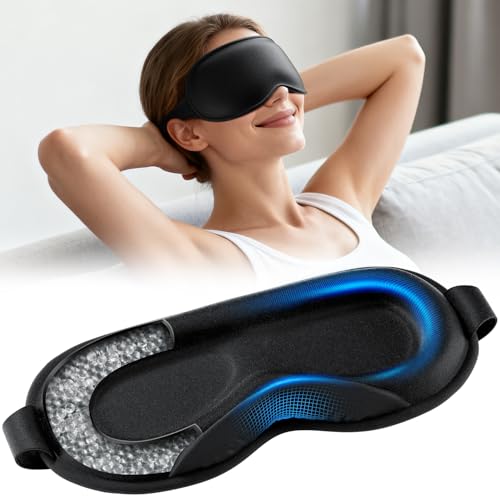
Weighted sleep masks are typically filled with plastic or glass beads that distribute weight evenly across the mask, creating an anxiety-reducing, consistent sensation across the face; glass beads are denser and allow a thinner profile for the same weight, while plastic beads are lighter and often less expensive. Some masks use microbeads, while others use gel or foam inserts for cooling and contouring—each material changes how pressure is felt and how the mask conforms to facial features. For pressure relief and comfort, side sleepers often prefer lower-profile fills or contoured masks so the mask doesn't push into the cheek and alter head position, which can affect spinal alignment; lighter masks are usually a better starting point for smaller faces or people sensitive to facial pressure. Consider your body weight and overall sensitivity: heavier individuals may still prefer a light mask on the face, because the key is comfortable, even pressure rather than absolute heaviness.
Shell material and temperature regulation
The outer fabric controls breathability and temperature regulation—silk and high-thread-count cotton are naturally breathable and feel cool against the skin, while synthetic fabrics like polyester trap more heat but can be engineered for moisture-wicking performance. If you run hot at night, look for silk, bamboo-derived fabrics, or masks with removable cooling gel inserts; temperature regulation is as important as weight because heat builds under a mask can fragment sleep. Price and durability track with material: silk is luxurious and pricier but gentle on skin and hair, whereas cotton and microfiber are affordable and easy to launder. Always match the shell choice to your sleep position and sensitivity—side sleepers may prefer smoother fabrics to reduce friction against the pillow and avoid tugging at the strap.
Fit, strap design, and sleep position suitability
A good fit prevents light leakage without excessive pressure: contoured masks create space for the eyes and are excellent for back sleepers or those who dislike pressure directly on the eyelids, while flatter, weighted designs can be calming for sleepers who prefer uniform facial pressure. Strap type matters—elastic straps can slip on side sleepers and cause head tilt, whereas adjustable, wide straps or wrap designs distribute force more evenly and reduce torque on the neck that could affect spinal alignment. If you sleep predominantly on your side, prioritize a low-profile shape and softer fill so the mask doesn't compress against the pillow; back and stomach sleepers have more flexibility to try contoured versus flat weighted designs. Consider body-weight-related comfort: a snug adjustable strap allows the same mask to fit a range of head sizes without over-tightening, preventing undue facial pressure.
Care, hygiene, and durability
Choose masks with removable covers or washable inserts—weighted masks often contain beads that shouldn't be machine-washed unless the tag explicitly permits it, so removable shells make maintenance simple and extend product life. Check for quality stitching and secure bead chambers; a sealed, evenly distributed bead fill maintains consistent pressure and longevity. Cleaning frequency depends on skin type and nightly use, but sleep experts suggest washing covers weekly if you use the mask every night, especially for acne-prone or allergy-sensitive sleepers. Durability also ties back to materials: silk requires gentler care but preserves skin and hair better, while cotton and technical blends tolerate more aggressive cleaning and travel wear.
Frequently Asked Questions
Are weighted sleep masks safe to use every night?
For most people, weighted sleep masks are safe for nightly use when they fit properly and don’t apply excessive pressure to the eyes or face. Experts note the calming pressure can become a reliable sleep cue (Dr. Jade Wu), but if you have facial skin conditions, recent facial surgery, or ocular issues, check with a clinician first and choose a lighter, contoured option.
How heavy should a sleep mask be?
There’s no universal weight—comfort is individualized—so start with a lighter mask and increase weight only if you find the gentle pressure helpful. Remember that weighted masks use glass or plastic beads to distribute weight evenly, so a denser bead fill can feel less bulky at the same weight; prioritize even distribution and proportional facial pressure over absolute grams.
Do sleep masks actually improve sleep quality?
Yes—research and product reviews indicate that the right sleep mask can enhance sleep by blocking light and, in the case of weighted masks, providing gentle pressure that reduces anxiety and aids sleep onset (sources: Wirecutter, Sleep Foundation). For people sensitive to light or with irregular sleep environments, a well-fitting mask is one of the simplest interventions to lengthen uninterrupted sleep.
Can I wear a weighted sleep mask if I sleep on my side?
Many side sleepers prefer low-profile or contoured designs that avoid direct pressure against the cheek and eye socket; bulky weighted masks can push the head into an awkward angle and affect spinal alignment. Look for masks explicitly marketed for side sleepers or with thinner bead layers at the edges to reduce pillow interference.
How do I clean a weighted sleep mask without damaging the beads?
Follow the manufacturer’s instructions—most weighted masks have removable covers so you can wash the shell while keeping the bead insert dry. If there’s no removable cover, spot-clean the exterior and air out the mask; avoid machine washing bead-filled inserts unless the label permits it to prevent bead clumping or seam failure.
Are silk masks better than cotton for sleep?
Silk is gentler on skin and hair, breathable, and often preferred by hot sleepers for its cooling hand feel, while cotton is breathable, affordable, and easier to care for. Objectively, silk can help reduce friction-related hair breakage and facial creasing; cotton or technical performance fabrics may be a better choice if you need frequent washing or want moisture-wicking properties.
Will a weighted mask help with anxiety or insomnia?
Many users find that the gentle, distributed pressure of a weighted mask lowers arousal and acts as a conditioned cue for sleep—an effect noted by sleep experts and featured in consumer wellness coverage like Women's Health. While a mask can be a useful part of a bedtime routine, it’s most effective alongside other sleep hygiene practices and, for clinical insomnia, should complement professional treatment.
Conclusion
Choose a sleep mask by prioritizing how it will affect your sleep quality—pressure distribution for calming, shell material for temperature regulation, and shape for your sleep position and spinal alignment. If you want a simple, science-backed nudge toward better sleep, start with a lightweight, breathable weighted mask with an adjustable strap and removable cover; test feel and fit over several nights to find the right balance for your body and sleeping style.


